
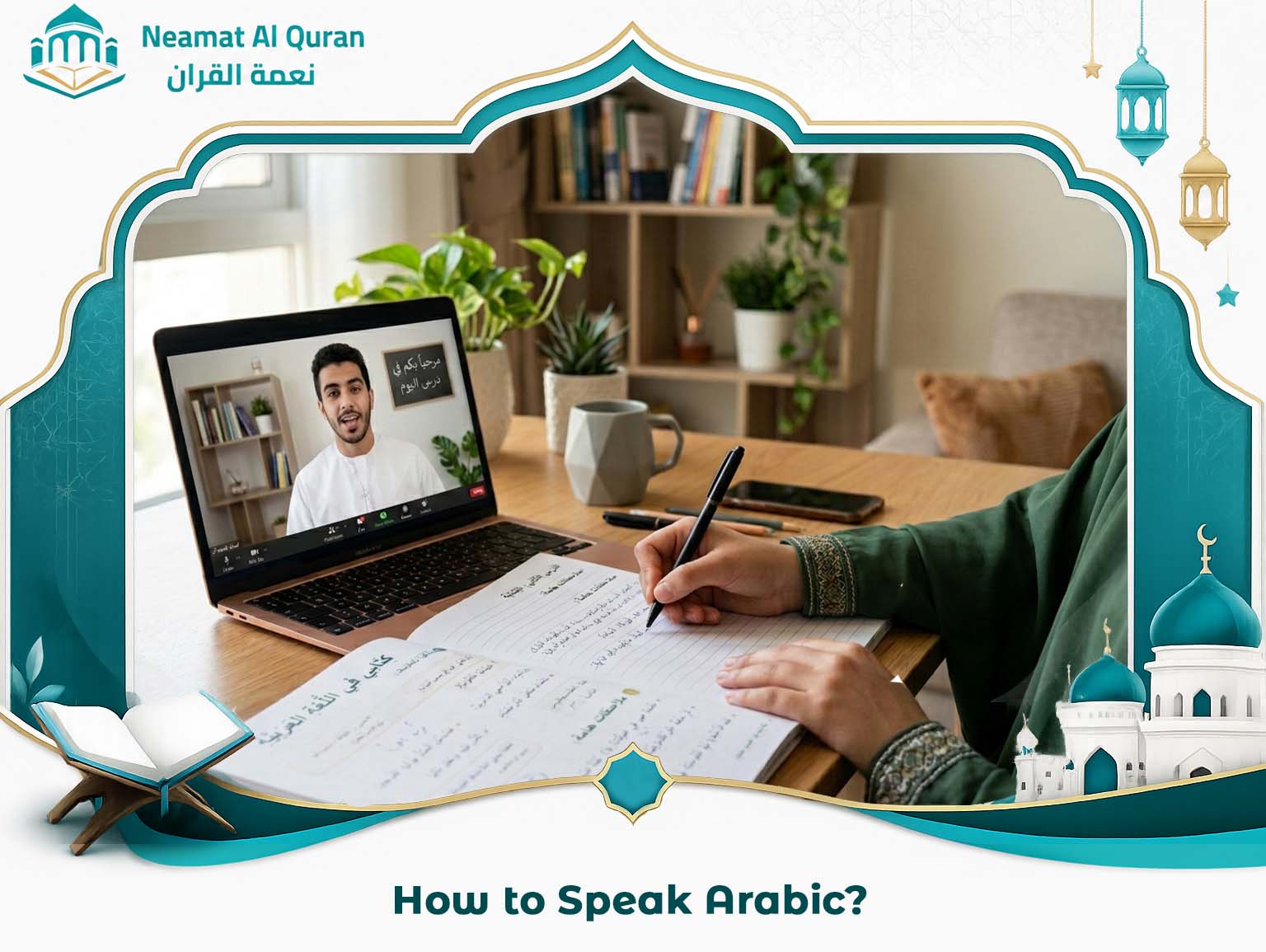
How to Speak Arabic is a step-by-step skill that anyone can develop with the right method, guidance, and consistent practice. Learning how to speak Arabic opens the door to one of the richest languages in the world, spoken by hundreds of millions across the Middle East and North Africa.
It is not only a means of communication but also a gateway to culture, history, and a deeper human connection. Many learners start this journey with curiosity but quickly realize that success depends on structure, patience, and daily practice rather than memorization alone.
Arabic is unique because it connects formal language (Modern Standard Arabic) with widely used dialects in everyday life. This means learners must understand both written and spoken variations to achieve real fluency. The good news is that with a clear roadmap, anyone can progress from absolute beginner to confident speaker.
Set Clear Learning Goals Before Starting
The first step in mastering Arabic is understanding why you want to learn it. Your goal will shape your entire learning path. Some people want to travel and communicate with locals in countries like Egypt, Saudi Arabia, or the UAE. Others aim to understand religious texts or improve career opportunities.
If your goal is conversation, you will focus more on dialects. If your goal is reading and formal understanding, Modern Standard Arabic will be your priority. Setting clear goals prevents confusion and keeps motivation strong during difficult stages.
At this stage, many learners begin to realize that progress in speaking Arabic depends heavily on consistency rather than speed. Slow, steady improvement always beats rushed learning.
Discover the Wisdom of the Quran with Neamat Al Quran Academy
Are you ready to move beyond recitation and gain a more in-depth understanding of the Quran’s timeless guidance? At Neamat Al Quran Academy, qualified instructors help students explore the meanings of Quranic verses in a clear, engaging, and practical way that strengthens both faith and knowledge.
With well-structured online classes, students develop a better understanding of the Quran and learn how to apply its teachings in their everyday lives. Every lesson inspires reflection, personal growth, and a closer connection with the words of Allah. Begin your learning journey today with Neamat Al Quran Academy and deepen your relationship with the Holy Quran.

Learn the Arabic Alphabet and Sound System
The Arabic alphabet is the foundation of everything. It contains 28 letters and is written from right to left. Each letter can change shape depending on its position in a word, which may feel unfamiliar at first.
However, mastering the alphabet is not as difficult as it seems. With daily repetition and listening practice, recognition becomes automatic. The key is not to rush. Focus on pronunciation first, then reading. Many students choose affordable online Quran classes because they combine quality education with reasonable fees.
A strong foundation in letters and sounds makes future learning much easier. Without it, vocabulary and grammar will feel disconnected and confusing. Enroll in online Quran classes for adults to improve your Quran reading, Tajweed, and Islamic knowledge with experienced teachers.
Build Essential Vocabulary for Daily Communication
Vocabulary is the engine of communication. Without words, you cannot form sentences or express ideas. Beginners should focus on practical, commonly used words such as greetings, numbers, family terms, and daily actions.
Instead of memorizing long lists, it is better to learn words in context. For example, learning “house,” “go,” and “eat” inside real sentences helps retention.
At this stage, learners begin to see real progress in how to speak Arabic because they can finally form simple, meaningful sentences. Even short conversations become possible with just a small set of words. Find Quran classes for beginners near me or choose flexible online lessons designed for new learners of all ages. Choosing Quran classes with a certified teacher ensures accurate Quran recitation and authentic Islamic knowledge.
Practice Speaking Daily with Real Interaction
Speaking is where true fluency is built. Many learners understand Arabic but struggle to speak it because they lack practice.
Daily speaking practice, even for a few minutes, makes a huge difference. Try to repeat sentences out loud, speak to yourself, or interact with native speakers whenever possible.
This stage is where learners start to feel real confidence in how to speak Arabic, because communication becomes active instead of passive. Joining Quran memorization classes online helps students memorize the Holy Quran through organized learning plans.
At this point, structured learning support becomes very helpful. Neamat Al Quran Academy provides guided speaking practice with trained instructors who correct mistakes and help learners improve naturally through conversation. Choose One-on-One Quran Classes Online for personalized instruction, flexible scheduling, and faster learning progress.
Learn Through Structured Online Programs
Online learning has made Arabic more accessible than ever. Instead of relying on random resources, structured programs provide a clear path from beginner to advanced levels. Many parents prefer hifz classes for kids online because they provide a flexible and engaging learning experience.
Neamat Al Quran Academy is one of the platforms that focuses on teaching Arabic in a step-by-step method. It offers organized lessons that combine reading, speaking, and comprehension skills in a balanced way.
The academy helps learners understand both formal Arabic and practical usage. This structured approach prevents confusion and builds confidence gradually. Enrolling in an online Hifz Quran course allows students to memorize the Quran at their own pace with expert guidance.
Many students prefer guided learning because it reduces mistakes and saves time. With proper guidance, progress becomes more stable and measurable. Connect with a Quran teacher for kids online who provides engaging, interactive, and age-appropriate Quran lessons from home.
Immerse Yourself in Arabic Culture
Language and culture are deeply connected. To truly master Arabic, you must experience it in real-life contexts.
This includes listening to Arabic music, watching films, and engaging with native speakers online or in person. Even small habits, like reading Arabic captions or following Arabic content creators, make a difference.
At this stage, learners often experience a breakthrough in how to speak Arabic because they start thinking in the language instead of translating from their native tongue.
Cultural immersion also helps you understand expressions, humor, and social context, which are essential for natural communication.
Stay Consistent with Daily Practice
Consistency is the most important factor in achieving the best way to Hifz Quran. Even dedicating 20–30 minutes each day can produce lasting results, as regular memorization and revision strengthen retention over time.
- Listening practice
- Speaking exercises
- Vocabulary review
- Short reading sessions
The key is balance. Do not focus only on one skill. Instead, combine all four skills to build complete fluency. With time, learners notice that sentences become easier, understanding improves, and speaking feels more natural. Joining Quran classes for sisters online allows women to learn Quran recitation, Tajweed, and memorization from qualified teachers in a comfortable and flexible environment.
Overcoming Challenges in Learning Arabic
Every learner faces challenges when starting Noorani Qaida for kids, such as difficulty in pronunciation, recognizing Arabic letters, or applying basic reading rules correctly. These challenges are completely normal and part of the learning process.
The important thing is not to stop. Mistakes are not failures; they are valuable learning opportunities. With consistent practice, every correction helps children improve their pronunciation, reading accuracy, and confidence.
Support systems like Neamat Al Quran Academy help learners overcome these challenges by providing structured Noorani Qaida for kids lessons, personalized guidance, and regular feedback that builds a strong foundation for confident Quran reading.
How Long Does It Take to Learn Arabic?
One of the first questions new learners ask is how long it takes to become fluent. The answer depends on several factors, including your study routine, previous language experience, and learning goals.
If you study consistently for 30 to 60 minutes each day, you can usually hold simple conversations within a few months. Reaching an intermediate level often takes around one year of regular practice, while advanced fluency requires continued exposure and real-life communication.
Remember that language learning is not a race. Every lesson, conversation, and listening exercise contributes to your progress. Small improvements made every day eventually lead to remarkable results. Choosing a private Quran tutor online helps students receive personalized lessons and focused guidance based on their individual learning level and goals.
Create an Effective Daily Arabic Study Routine
A simple daily routine is often the most effective approach when learning How To Memorize The Quran. Breaking memorization into smaller sessions keeps your mind fresh, improves retention, and makes it easier to review previously learned verses.
A balanced study plan could include reviewing previous memorization for ten minutes, learning a few new verses, listening to a qualified reciter, and reciting aloud to strengthen accuracy and confidence. Regular revision helps reinforce what you have learned and reduces the chance of forgetting.
The secret is consistency rather than intensity. Students who maintain a steady memorization and revision routine usually achieve better long-term results than those who practice irregularly.
Why Learning With a Qualified Teacher Makes a Difference?

Although self-study resources are valuable, learning with an experienced teacher provides benefits of learning Quran online that are difficult to achieve alone. A qualified instructor can identify pronunciation mistakes immediately, thoroughly explain difficult grammar, and adapt lessons to your individual needs.
Personal feedback also prevents learners from developing incorrect habits that become harder to fix later. Interactive lessons encourage active speaking, improve confidence, and keep students motivated throughout the learning process.
For many learners, having someone to guide and encourage them makes the journey more enjoyable and significantly faster.
Why does Structured Arabic learning lead to Better Results?
While self-study can be an excellent way to begin learning Arabic, it often becomes difficult without a clear roadmap. Many learners struggle to decide What Do We Learn From The Quran to study next, spend too much time on less important topics, or develop habits that are difficult to correct later.
A structured learning program eliminates this uncertainty by providing lessons in a logical sequence, allowing students to build one skill upon another with confidence. Each stage reinforces the previous one, ensuring steady progress without gaps in knowledge.
Learning with experienced instructors also provides valuable feedback on pronunciation, grammar, and speaking skills, helping learners improve faster and avoid common mistakes.
Regular assessments and guided practice make it easier to measure progress and stay motivated throughout the journey. With the right structure, consistent support, and achievable milestones, students gain confidence, remain committed to their goals, and develop strong Arabic communication skills more efficiently than through self-study alone.
Understand Basic Arabic Grammar
Grammar gives structure to language. Arabic grammar may seem complex, but it becomes manageable when learned step by step. Start with simple sentence structures such as subject-verb-object patterns.
Gender rules, verb forms, and sentence order are important, but they should not overwhelm beginners. Instead of memorizing everything at once, focus on patterns that repeat frequently.
Practice is essential. Every grammar rule should be used in speaking and writing immediately. This transforms theoretical knowledge into real communication skills.Selecting a female Quran teacher online provides a supportive learning experience for sisters and children who prefer studying Quran with female instructors.
Improve Listening Skills Through Exposure
Listening is one of the most powerful tools in language learning. By exposing yourself to native Arabic speech, you train your brain to recognize sounds, rhythm, and pronunciation naturally.
You can watch Arabic series, listen to podcasts, or follow simple conversations. Egyptian Arabic content is often recommended for beginners due to its widespread use and clear pronunciation.
Even if you do not understand everything at first, repeated listening helps your brain adjust. Over time, understanding improves without conscious effort.
Common Mistakes Beginners Should Avoid
Every beginner makes mistakes while learning Arabic, and that is completely normal. However, avoiding a few common habits can make your learning journey much smoother. One of the biggest mistakes is trying to memorize hundreds of vocabulary words without using them in real conversations. Words become meaningful only when you hear them, speak them, and see them used in context.
Another common mistake is worrying too much about perfect grammar before speaking. Many learners stay silent because they are afraid of making errors. In reality, speaking regularly—even with simple sentences—is one of the fastest ways to improve. Native speakers usually appreciate your effort and can often understand your message even if it is not grammatically perfect.
Finally, avoid jumping between too many books, apps, and courses. Choose one structured learning path, follow it consistently, and allow yourself enough time to see progress.
How does Neamat Al Quran Academy support Arabic Learners?
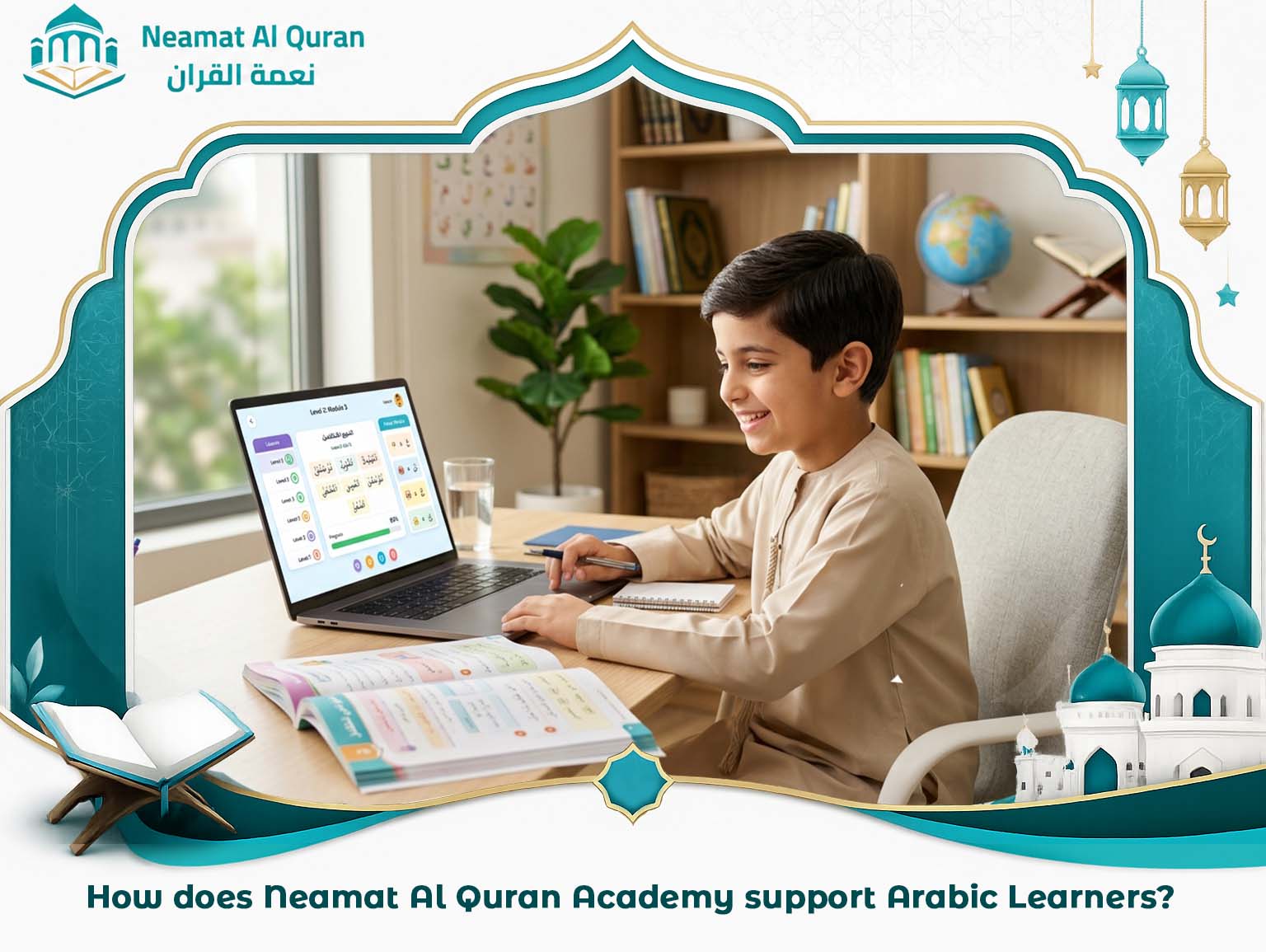
Choosing the right learning environment plays an important role in your success. Neamat Al Quran Academy provides structured Arabic lessons designed for beginners as well as more advanced learners. Students receive personalized guidance from qualified teachers who focus on pronunciation, conversation, grammar, and reading comprehension.
The academy offers flexible online classes that fit different schedules, making it easier for students around the world to continue learning consistently. Interactive lessons, regular progress assessments, and one-on-one support help learners stay motivated and steadily improve their Arabic communication skills.
Whether your goal is speaking confidently, understanding Islamic texts, or communicating during travel, Neamat Al Quran Academy provides a supportive learning experience that encourages long-term success.
Frequently Asked Questions (FAQ)
Below are answers to some of the most common questions learners ask before starting their Arabic learning journey, helping you make informed decisions and progress with greater confidence.
1. How long does it take to speak Arabic fluently?
It depends on practice and consistency, but most learners can reach a conversational level within several months of regular study.
2. Is Arabic difficult for beginners?
It may seem challenging at first due to the script and grammar, but with step-by-step learning, it becomes much easier over time.
3. Can I learn Arabic without a teacher?
Yes, but having structured guidance from platforms like Neamat Al Quran Academy can significantly speed up progress and improve accuracy.
In conclusion, learning Arabic is a journey that becomes easier when you follow a clear plan and practice consistently. Building a strong foundation in the alphabet, vocabulary, grammar, listening, and speaking allows you to develop real communication skills step by step. Rather than rushing toward fluency, focus on making steady progress every day and applying what you learn in practical situations.
With structured guidance, regular practice, and the support of Neamat Al Quran Academy, learners can overcome common challenges and gain the confidence to communicate naturally. Stay committed to your goals, embrace every opportunity to practice, and enjoy the learning process. Over time, your dedication will turn into lasting fluency and a deeper understanding of the Arabic language and its rich culture.