

An intensive Hifz course can help students memorize more of the Quran through a focused learning structure that balances new memorization, recitation, and regular revision.
At Neamat Al Quran Academy, learners can explore Quran learning options that may suit their memorization goals and individual schedules. However, successful Hifz is not simply about memorizing more pages in less time.
It requires a balanced routine, accurate pronunciation, qualified guidance, and consistent revision to retain what has been learned.
Whether you are beginning your memorization journey or continuing after learning several surahs, understanding how intensive Quran learning works can help you choose a suitable program and establish realistic goals.
What Is an Intensive Hifz Course?
An intensive hifz course is a structured Quran memorization program designed for students who want to dedicate more time to learning the Quran within a focused schedule.
Unlike occasional Quran lessons, intensive learning usually involves regular memorization sessions, teacher-guided recitation, and planned revision. Students work toward individual goals based on their reading ability, previous memorization, and available study time. A well-organized program may include:
- Learning new Quranic verses during scheduled lessons.
- Practicing correct pronunciation and Tajweed.
- Reciting memorized passages to a teacher.
- Reviewing recently learned verses.
- Revisiting older portions to strengthen retention.
- Monitoring progress and correcting recurring mistakes.
The main objective is to develop accurate and lasting memorization rather than simply increasing the number of completed pages.
Intensive Hifz vs. Regular Quran Memorization
Both intensive and regular memorization can help students develop a stronger connection with the Quran. The main difference is the amount of time dedicated to learning and how the lessons are organized.
| Comparison | Intensive Hifz | Regular Hifz |
|---|---|---|
| Learning schedule | More concentrated | Usually spread over a longer period |
| Study frequency | Frequent lessons | Less frequent lessons may be suitable |
| Daily practice | More dedicated study time | Smaller daily targets |
| Revision | Planned alongside new memorization | Adjusted to a gradual pace |
| Best suited for | Students with more available time | Learners balancing other commitments |
An intensive schedule may suit students during school holidays, university breaks, or periods when they have fewer responsibilities. Regular memorization may be more practical for adults with demanding work schedules or children with busy school days.
Neither approach is automatically better. The right choice depends on the student’s ability to maintain accurate recitation and consistent revision.
Who Can Benefit from Intensive Quran Memorization?
A focused memorization plan can support different learners, provided the teaching approach matches their individual needs.
Beginners
Students who can read Quranic Arabic and understand basic pronunciation may begin with shorter passages and gradually increase their memorization targets. Those who still struggle with Arabic letters should strengthen their reading skills first.
For additional reading support, beginners can explore an easy way to read quran before taking on larger memorization goals.
Children and Teenagers
Younger students may benefit from shorter sessions, regular encouragement, and manageable daily targets. Parents can help by creating a quiet learning environment and maintaining a consistent revision routine.
Adults with Busy Schedules
Adults who have more free time during holidays or weekends may use a concentrated learning plan to make progress. Others may prefer shorter lessons that fit around work and family responsibilities.
Students Continuing Their Hifz Journey
Learners who have already memorized several surahs can use focused lessons to strengthen previous memorization and work toward additional goals.
How to Prepare Before Starting a Hifz Program?
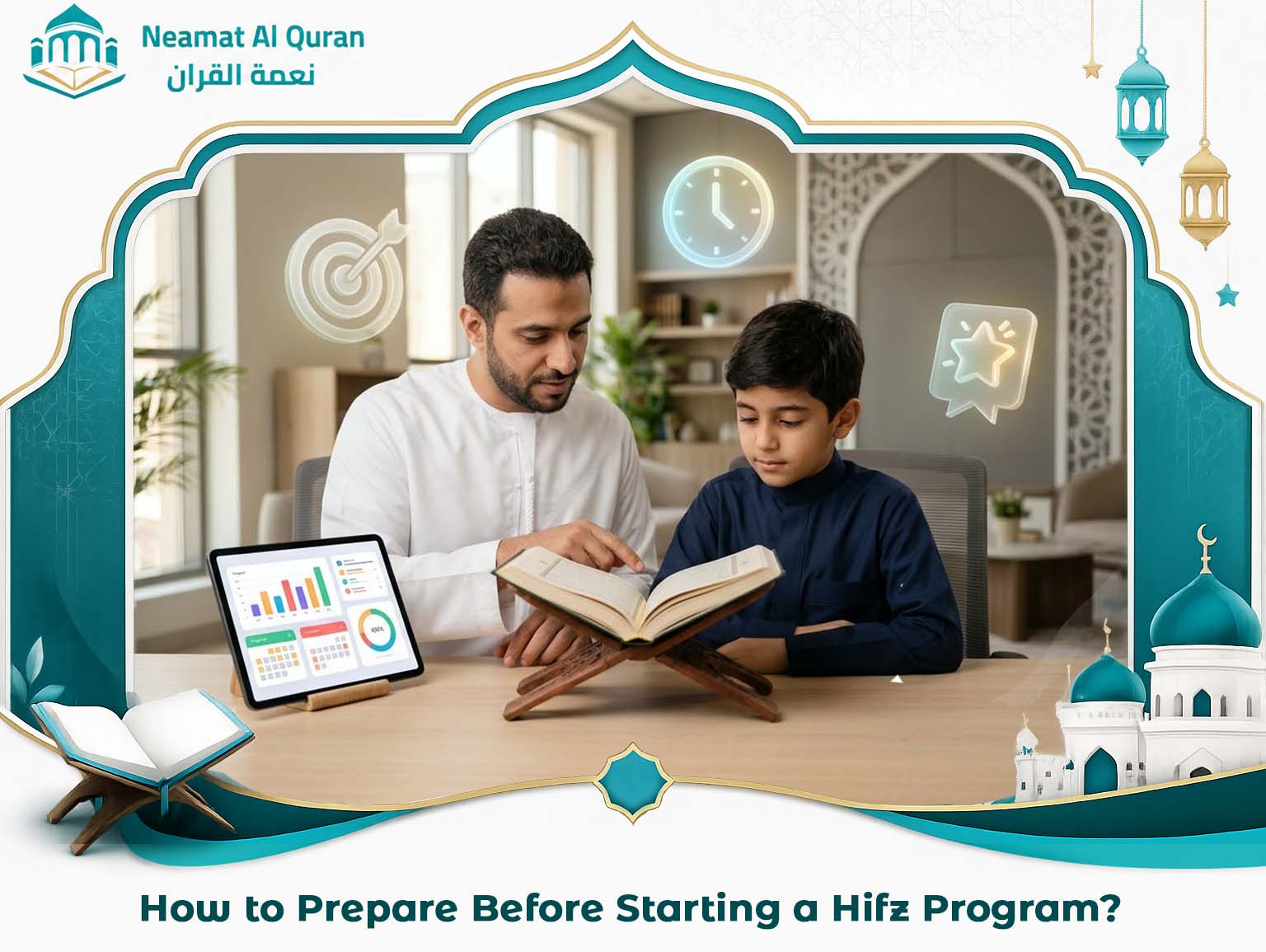
Preparation helps students make better use of their lesson time. Before enrolling in an intensive HIFZ course, assess your current reading level and decide how much time you can realistically dedicate to memorization. Consider these practical steps:
- Assess your Quran reading: Make sure you can recognize Arabic letters, vowel marks, and common reading patterns.
- Review Tajweed basics: Correct pronunciation should remain a priority throughout your memorization journey.
- Set realistic targets: Begin with a manageable number of verses instead of choosing an unnecessarily demanding workload.
- Choose one Mushaf: Using the same copy consistently can help you become familiar with the location of verses.
- Organize your study time: Choose a quiet place and a regular time when you can concentrate.
Students who need additional reading instruction can also consider learning to read the Quran online for beginners before increasing their memorization workload.
A Practical Daily Schedule for Quran Memorization
A productive memorization routine should balance new lessons, recent revision, and older passages. The following example illustrates how students might organize their independent study time.
| Daily Activity | Suggested Time | Main Goal |
|---|---|---|
| New memorization | 30–45 minutes | Learning new verses |
| Recent revision | 20 minutes | Strengthening recently memorized passages |
| Older revision | 20–30 minutes | Maintaining previous Hifz |
| Teacher recitation | According to the lesson schedule | Receiving corrections and feedback |
1. Begin with New Verses
Choose a small passage and read it carefully several times. Listen to a reliable recitation while following the Mushaf, then repeat the verses until you become familiar with their pronunciation and sequence.
2. Recite Without Looking
Once you can read the passage confidently, close the Mushaf and try to recite from memory. If you make a mistake, return to the text, correct it, and repeat the difficult section.
3. Review Recent Memorization
Revisit the verses learned during previous lessons. This helps strengthen your memory before introducing additional material.
4. Maintain Older Passages
Previously memorized surahs also need attention. Reserve time for older portions instead of focusing exclusively on new material.
Why Teacher Guidance Matters During Hifz?
Memorizing independently can be useful, but learning with a qualified Quran teacher provides an important level of feedback.
A teacher can identify pronunciation mistakes, explain Tajweed rules, and help students recognize errors that may be difficult to notice during independent practice.
If you are considering online learning, understanding how does an online Quran class work can help you become familiar with the lesson format and communication between students and teachers.
It is also helpful to know what to expect in your first Quran class, especially if you have never attended a structured online Quran lesson.
Choosing the Right Intensive Hifz Course
Not every memorization program follows the same teaching method. Some focus heavily on new verses, while others place greater emphasis on revision and recitation accuracy. Before choosing a program, consider the following factors:
- Teacher qualifications: Ask about the teacher’s Quran teaching experience and relevant qualifications.
- Lesson structure: Find out how lessons are organized and how much time is allocated to recitation.
- Revision system: Check whether previously memorized passages are included in the learning plan.
- Student assessment: Ask how progress and recurring mistakes are evaluated.
- Scheduling options: Make sure the lesson times fit your daily responsibilities.
- Learning flexibility: Find out whether memorization targets can be adjusted when necessary.
The best program should challenge students without creating unnecessary pressure. A demanding schedule is not effective if it leaves insufficient time for revision, correction, or rest.
Learning Opportunities at Neamat Al Quran Academy
Neamat Al Quran Academy is an option students and parents can explore when looking for Quran learning support.
Learners interested in an intensive Hifz course through the academy should contact its team to confirm the current Hifz programs, teacher availability, lesson formats, and scheduling arrangements.
Before making a decision, discuss your previous memorization experience and personal goals. It is also worth asking how teachers evaluate recitation, handle pronunciation mistakes, and organize revision.
These details can help you determine whether the available learning arrangements match your expectations. Choosing a suitable program should be based on clear information about its teaching approach rather than assumptions about what it offers.
Common Challenges During Intensive Memorization
Even motivated students can experience difficulties during concentrated Quran study. Recognizing these challenges early can make the learning process easier.
Forgetting memorized verses: Increase revision time and return to difficult passages instead of continually adding new material.
Losing concentration: Divide long study sessions into shorter periods and take brief breaks when needed.
Making pronunciation mistakes: Listen carefully to reliable recitations and ask your teacher to explain unfamiliar Tajweed rules.
Feeling overwhelmed: Reduce your daily memorization target temporarily and focus on accuracy.
Comparing your progress with others: Every learner has different abilities, responsibilities, and learning speeds. Measure your improvement against your previous performance.
Frequently Asked Questions About Intensive Hifz
Find answers to common questions about an intensive Hifz course, including its benefits, daily memorization routine, revision requirements, and how to maintain steady progress.
1. How many pages should a student memorize daily?
There is no universal daily target. The appropriate amount depends on reading ability, memorization experience, concentration, and the time available for revision.
2. Can I combine Quran memorization with school or work?
Yes. A realistic schedule can include shorter memorization sessions before or after daily responsibilities, provided students maintain regular revision.
3. Should I complete Tajweed lessons before starting Hifz?
Students should understand basic pronunciation and reading rules before increasing their memorization workload. A teacher can identify which Tajweed skills need further attention.
4. How can parents support children during Quran memorization?
Parents can provide a quiet study environment, encourage daily practice, celebrate small improvements, and communicate with the teacher about the child’s progress.
Conclusion
Choosing an intensive hifz course can be a meaningful step toward memorizing more of the Quran with focus and consistency. However, lasting progress depends on more than the number of verses memorized each day. A balanced plan, regular revision, accurate recitation, and guidance from a qualified teacher all help learners build a stronger connection with the Quran.
At Neamat Al Quran Academy, learners can explore Quran learning options that align with their goals and schedules. Before choosing an intensive hifz course, consider your current memorization level, available study time, and ability to maintain a regular revision routine. The right intensive hifz course should support steady progress while helping you preserve what you have already memorized.