
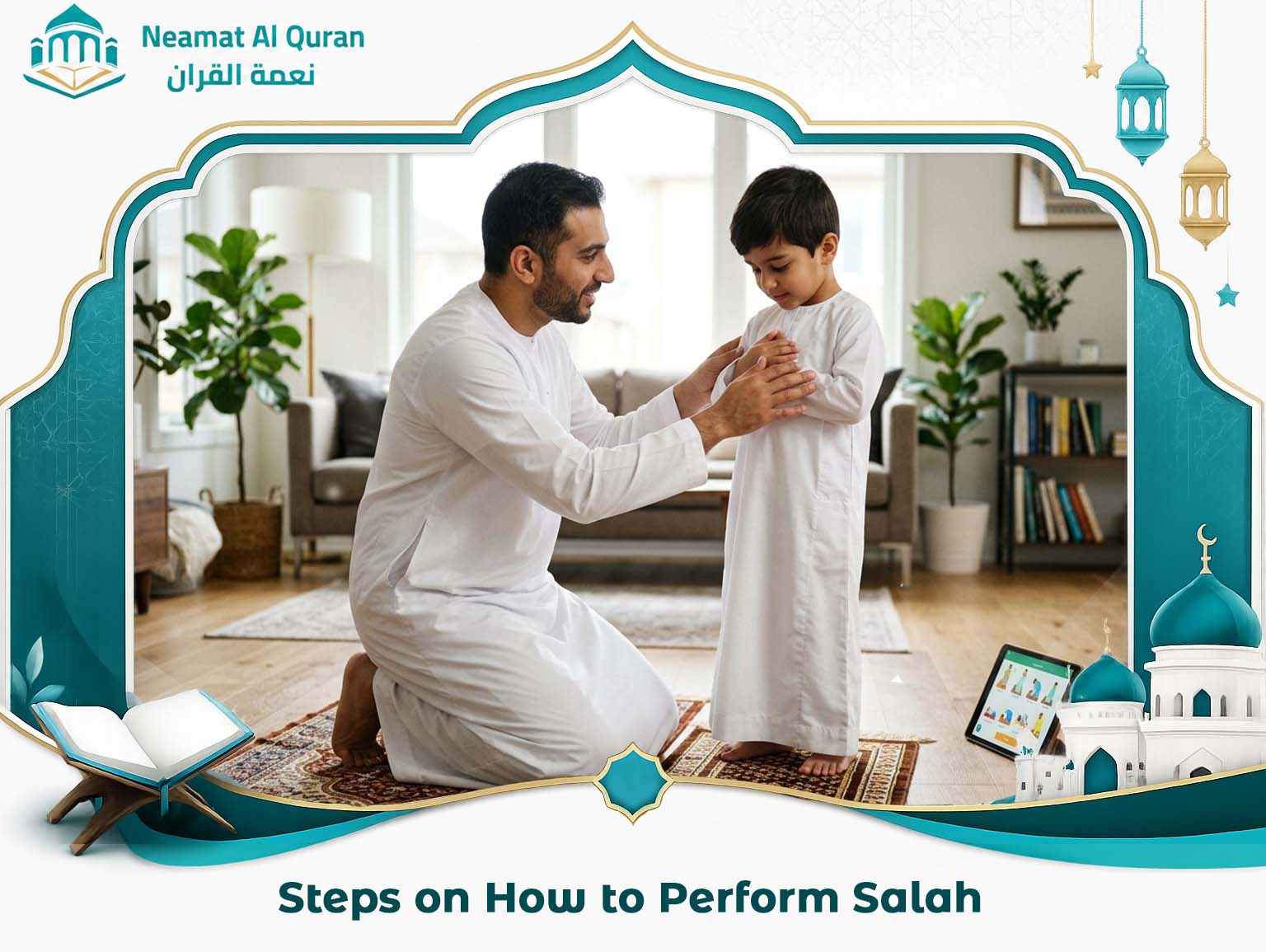
Learning the steps on how to perform salah is an important part of practicing Islam. Salah, or the five daily prayers, is one of the fundamental pillars of Islam and provides Muslims with an opportunity to remember Allah, seek guidance, and strengthen their faith throughout the day.
For beginners, understanding how to pray correctly may seem challenging at first. However, with clear instructions, regular practice, and proper guidance, anyone can gradually become comfortable performing the daily prayers. Whether you are a new Muslim, helping your children learn salah, or looking to improve your prayer, this guide explains each stage in a simple and practical way.
Why Is Learning Salah Important?
Salah is more than a daily religious obligation. It helps Muslims maintain a strong connection with Allah and brings structure, discipline, and spiritual awareness into everyday life.
Muslims are required to perform five obligatory prayers each day: Fajr, Dhuhr, Asr, Maghrib, and Isha. Each prayer has a specific time and number of rak’ahs.
Understanding the steps on how to perform salah allows beginners to approach prayer with greater confidence. It also helps them recognize the importance of concentration, cleanliness, and following the correct movements and recitations.
For Muslims living in countries such as the United States, the United Kingdom, and Canada, learning salah can also help families maintain their religious routines while managing work, school, and other daily responsibilities.
Preparation Before Starting Salah
Before beginning the prayer, Muslims should make sure that certain conditions are fulfilled. These preparations help ensure that salah is performed correctly.
1. Perform Wudu (Ablution)
Wudu is the Islamic purification performed before salah. It involves washing specific parts of the body in a prescribed order.
The basic steps include:
- Make the intention to perform wudu.
- Wash both hands up to the wrists three times.
- Rinse the mouth three times.
- Clean the nose by gently inhaling and expelling water.
- Wash the entire face three times.
- Wash the arms up to the elbows, beginning with the right arm.
- Wipe over the head and clean the ears.
- Wash both feet up to the ankles, starting with the right foot.
Make sure water reaches the required areas. If you have already performed valid wudu and it has not been broken, you do not need to repeat it before every prayer.
2. Make Sure Your Body, Clothes, and Place Are Clean
Islam emphasizes cleanliness before prayer. Your body, clothing, and prayer area should be free from impurities. You can use a clean prayer mat or another clean surface.
3. Cover the Required Parts of the Body
Muslims must observe the Islamic requirements for covering the body during salah. Men and women have specific guidelines regarding appropriate prayer clothing.
4. Face the Qiblah
The Qiblah is the direction of the Kaaba in Makkah. Muslims face this direction when performing their daily prayers. Prayer applications and online Qiblah tools can help Muslims living in Western countries identify the correct direction.
Steps on How to Perform Salah Correctly
Once you have completed the preparations, you can begin praying. The following instructions explain the basic movements and recitations of a two-rak’ah prayer, such as the obligatory Fajr prayer.
1. Make the Intention (Niyyah)
Before starting, intend in your heart which prayer you are about to perform. For example, you may intend to pray the obligatory Fajr prayer.
The intention does not have to be spoken aloud. What matters is that you know which prayer you are performing.
2. Begin with Takbirat Al-Ihram.
Stand upright facing the Qiblah, raise your hands, and say:
“Allahu Akbar” (Allah is the Greatest).
This statement marks the beginning of salah. Afterward, place your hands in the appropriate position while standing.
3. Recite Surah Al-Fatihah.
While standing, recite Surah Al-Fatihah, which is an essential part of every rak’ah.
The surah begins with:
“Bismillahir Rahmanir Raheem.”
After completing Al-Fatihah, recite another portion of the Quran in the first two rak’ahs of the obligatory prayer.
Beginners can start by learning short surahs, such as Surah Al-Ikhlas, while gradually improving their Quranic recitation.
4. Perform Ruku (Bowing)
Say “Allahu Akbar” and bow forward, placing your hands on your knees while keeping your back reasonably straight.
While bowing, say:
“Subhana Rabbiyal Adheem.”
This phrase is commonly repeated three times. Ruku is an opportunity to express humility and glorify Allah.
5. Rise from Ruku
Return to a standing position and say:
“Sami’Allahu liman hamidah.”
Then say:
“Rabbana wa lakal hamd.”
Stand still briefly before moving to the next position.
6. Perform the First Sujood (Prostration)
Say “Allahu Akbar” and move into prostration.
During sujood, seven body parts touch the ground: the forehead and nose, both hands, both knees, and the toes of both feet.
Recite:
“Subhana Rabbiyal A’la.”
Repeat this remembrance three times if possible.
7. Sit Between the Two Prostrations
Say “Allahu Akbar” and sit upright between the two prostrations.
You may recite:
“Rabbighfir li” (My Lord, forgive me).
Remain settled before moving into the second prostration.
8. Perform the Second Sujood
Say “Allahu Akbar” and prostrate again, repeating:
“Subhana Rabbiyal A’la.”
With this second prostration, the first rak’ah is complete.
9. Stand for the Second Rak’ah.
Say “Allahu Akbar” and stand again. Repeat the recitation of Surah Al-Fatihah, followed by another portion of the Quran, then perform ruku, rise from bowing, and complete the two prostrations.
10. Sit for Tashahhud and Finish the Prayer
After the second rak’ah, sit and recite Tashahhud. Then send blessings upon Prophet Muhammad (peace and blessings be upon him), commonly through Salat Ibrahimiyyah.
Finally, turn your head to the right and then to the left, saying:
“As-salamu Alaikum wa Rahmatullah.”
This completes a two-rak’ah prayer. Prayers containing three or four rak’ahs have additional steps, so beginners should learn their specific structure as well.
How Many Rak’ahs Are in the Five Daily Prayers?
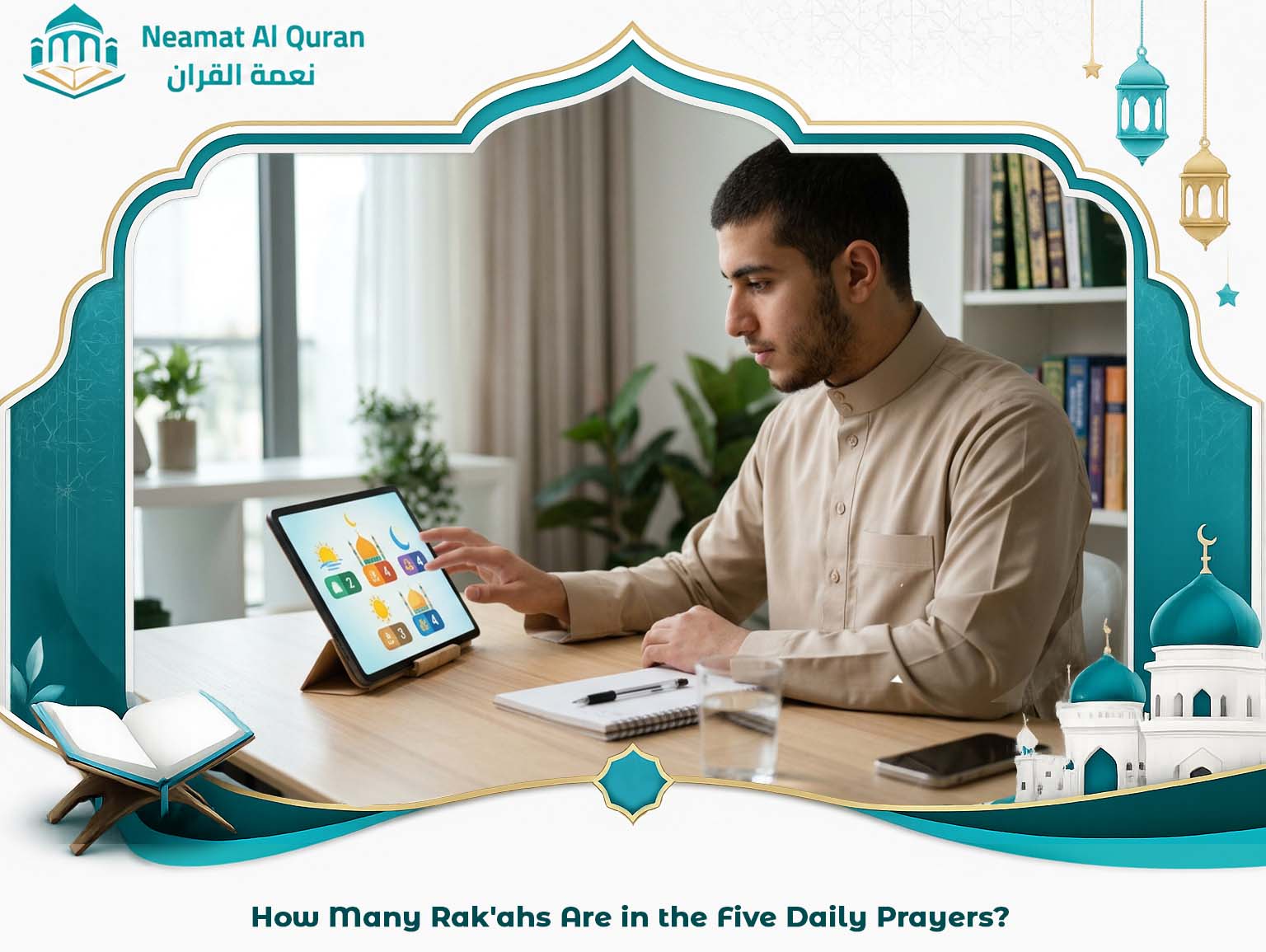
Understanding the number of obligatory rak’ahs makes it easier to organize your daily worship.
| Prayer | Number of Obligatory Rak’ahs |
|---|---|
| Fajr | 2 |
| Dhuhr | 4 |
| Asr | 4 |
| Maghrib | 3 |
| Isha | 4 |
These are the obligatory rak’ahs, excluding Sunnah and other voluntary prayers.
Common Mistakes Beginners Should Avoid
When learning the steps on how to perform salah, beginners may make mistakes simply because they are unfamiliar with the movements and recitations.
Here are some common issues to pay attention to:
- Rushing through movements: Take enough time to settle into each prayer position.
- Incorrect Quranic pronunciation: Practice recitation gradually and seek guidance when needed.
- Forgetting the prayer order: Learn the sequence of standing, bowing, prostration, and sitting.
- Neglecting prayer times: Use a reliable prayer timetable for your location.
- Losing concentration: Try to understand the meanings of the words you recite.
Making mistakes while learning should not discourage you. Consistent practice and proper instruction can help improve your salah over time.
Tips for Teaching Children and New Muslims to Pray
Teaching salah becomes easier when lessons are divided into small, manageable stages. Parents can begin by introducing children to the five daily prayers, demonstrating the movements, and helping them memorize short surahs and basic supplications.
Visual demonstrations, repetition, and positive encouragement can make learning more enjoyable.
For new Muslims, following a structured learning plan is particularly helpful. Start with the essential prayer movements and gradually work on memorization, pronunciation, and understanding the meaning of recitations.
If you need additional guidance, what to expect in your first Quran class can help you understand how structured Quran lessons work.
You can also explore how to memorize Quran easily to develop a practical approach to learning the surahs and verses recited during prayer.
Learn Salah with Neamat Al Quran Academy.
Learning salah with qualified guidance can make a meaningful difference, especially for beginners who need help with Arabic pronunciation, Quranic recitation, and the correct prayer movements.
Neamat Al Quran Academy provides online Quran learning opportunities for students who want to improve their Islamic knowledge from home. Through guided lessons, learners can work on their recitation and develop better Quran learning habits.
Neamat Al Quran Academy can also be an option for families looking for structured online learning that fits around school and work schedules. Students interested in improving their memorization may explore an intensive hifz course.
Those searching for qualified online instruction can also read how to find a reliable Quran tutor online.
For learners who prefer remote lessons, Learn Quran via Skype provides additional information about online learning options.
Neamat Al Quran Academy encourages learners to develop their Quranic skills through consistent study and guided practice. The goal is to help students become more confident in their recitation and understanding of Islamic teachings.
Frequently Asked Questions About steps on how to perform salah
The following frequently asked questions about the steps on how to perform salah address common concerns beginners may have about prayer movements, recitations, and performing salah correctly.
1. Can I Learn Salah as a Complete Beginner?
Yes. Anyone can begin learning salah by understanding the basic preparations, prayer movements, and essential recitations. Practicing regularly makes the process easier.
2. How Long Does It Take to Learn How to Pray?
The time varies depending on your previous knowledge, memorization ability, and practice routine. Many beginners can understand the basic movements relatively quickly, while learning the recitations correctly requires continued practice.
3. Do I Need to Speak Arabic to Perform Salah?
Salah includes specific Arabic Quranic recitations and supplications. Beginners should gradually learn the required Arabic phrases and seek guidance to improve their pronunciation.
Conclusion
Learning the steps on how to perform salah is an important journey for every Muslim. By understanding the preparations, memorizing essential recitations, and practicing each movement correctly, beginners can gradually develop confidence in their daily prayers.
Whether you are learning for yourself or teaching your children, consistency and proper guidance are essential. With support from educational resources and structured lessons at Neamat Al Quran Academy, learners can continue improving their Quranic knowledge and strengthening their connection with Allah.